
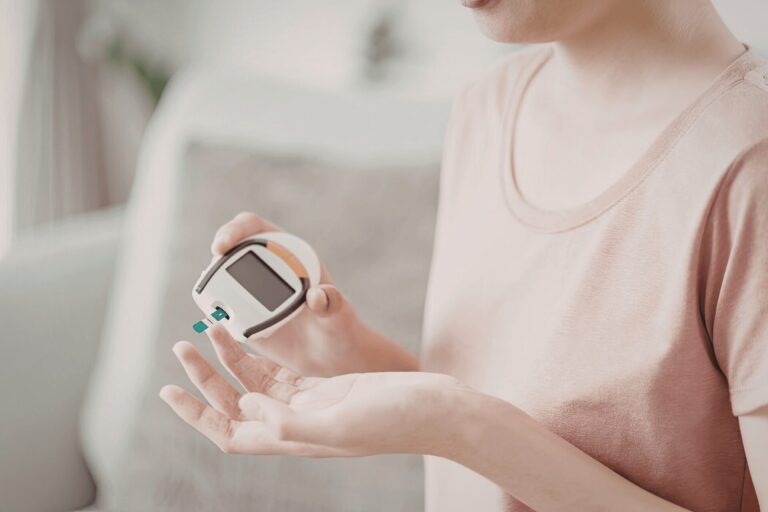

Blood sugar monitoring is the foundation of effective glucose management. It involves testing your levels at specific times—fasting, before meals, after meals, and sometimes at night—to understand how your body responds to food, stress, sleep, and physical activity.
This guide will walk you through the main testing methods, when to test, how to interpret results, and how to use blood sugar monitoring data to improve your metabolic health.
Main Ways to Test Blood Sugar
When it comes to blood sugar monitoring, you have two primary options depending on your needs, budget, and goals.
1. Fingerstick Blood Glucose Meters
The most common and affordable option for blood sugar monitoring.
Pros:
Instant readings
Widely available
Reliable when used correctly
Cons:
Snapshot data only
Requires frequent testing for patterns
2. Continuous Glucose Monitors (CGMs)
Devices that track glucose levels throughout the day and night, offering a more complete picture for blood sugar monitoring.
Pros:
Shows trends and spikes
Identifies nighttime glucose rises
Useful for lifestyle optimization
Cons:
Higher cost
Not always necessary for beginners
When Should You Test Blood Sugar?
Timing is everything in blood sugar monitoring. Testing at the right moments reveals far more than random checks.
Key testing moments for effective blood sugar monitoring:
Fasting (morning, before eating)
Before meals
1–2 hours after meals
Before bed
During symptoms (fatigue, dizziness, cravings)
Fasting vs Post-Meal Blood Sugar: What Matters More?
Both fasting and post-meal tests are essential components of comprehensive blood sugar monitoring. Here’s what each reveals:
| Test Type | What It Shows |
|---|---|
| Fasting | Liver glucose output & insulin sensitivity |
| Post-meal | How well your body handles carbohydrates |
| Nighttime | Hormonal & stress-driven glucose patterns |
How to Read Blood Sugar Numbers (Simple Interpretation)
Understanding your results is the ultimate goal of blood sugar monitoring. Here are general reference ranges (mg/dL):
| Reading Type | Target Range | What It Indicates |
|---|---|---|
| Normal fasting | ~70–99 | Healthy glucose regulation |
| Post-meal (2 hrs) | <140 | Good carbohydrate handling |
| Consistently elevated | Above ranges | Possible metabolic imbalance |
⚠️ Always interpret results in context. Individual targets may vary based on health status and medical advice.
What Blood Sugar Patterns Tell You
Effective blood sugar monitoring means looking beyond single numbers to identify patterns:
High fasting glucose → Liver glucose output or dawn phenomenon
Large post-meal spikes → Possible insulin resistance
Nighttime rises → Stress, poor sleep, or hormonal factors
Erratic swings → Nervous system imbalance or inconsistent eating patterns
Common Blood Sugar Monitoring Mistakes
Even with regular blood sugar monitoring, certain errors can undermine your efforts:
Testing only once per day
Ignoring sleep and stress effects on readings
Comparing numbers without context
Obsessing over single readings instead of patterns
Not tracking food or lifestyle factors alongside glucose data
Remember: Blood sugar monitoring is about insight, not anxiety.
Using Blood Sugar Data to Improve Balance
Your blood sugar monitoring results can guide meaningful lifestyle adjustments:
Adjust meal timing based on post-meal readings
Choose better food combinations to minimize spikes
Optimize exercise timing for maximum glucose benefit
Improve sleep routines if nighttime patterns are erratic
Evaluate support strategies based on trends
Can Supplements Support Better Blood Sugar Readings? (Soft Conversion)
Lifestyle is the foundation of good glucose control, but some people need additional metabolic support. Consistent blood sugar monitoring can help you determine whether supplements might benefit your unique situation.
Certain supplements may help by:
Supporting insulin sensitivity
Reducing post-meal glucose spikes
Supporting healthy liver glucose regulation
👉 This is why many people combine regular blood sugar monitoring with targeted blood sugar support formulas to identify what works best for their body.
Key Takeaway
Blood sugar monitoring is your window into metabolic health. By testing at the right times, avoiding common mistakes, and learning to interpret patterns, you can transform random numbers into actionable insights.
Start with one small change to your blood sugar monitoring routine today — your long-term health will thank you.
FAQ – Blood Sugar Monitoring
How often should I check my blood sugar?
It depends on your goals. For effective blood sugar monitoring, beginners often start with fasting and post-meal checks, then adjust based on initial findings.
Are CGMs better than fingerstick tests?
CGMs provide trend data and reveal nighttime patterns, but fingerstick tests remain sufficient and more affordable for most people starting with blood sugar monitoring.
What is the best time to test blood sugar?
Morning fasting and 1–2 hours after meals offer the most actionable insights for comprehensive blood sugar monitoring.
Should I test blood sugar at night?
Yes, especially if you experience morning glucose spikes or sleep issues. Nighttime blood sugar monitoring can reveal patterns that daytime tests miss.
Hurry up! Get 25% off now for a limited time offer.