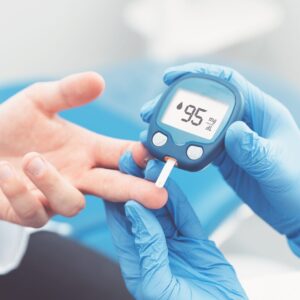


If your blood sugar feels high and you’re looking for fast, safe ways to bring it down, you’re not alone.
Many people experience sudden glucose spikes due to meals, stress, poor sleep, or lack of movement — even without diabetes. The key is knowing what actually works in the moment and what can make things worse.
This guide explains how to lower blood sugar fast, using evidence-based strategies that support your body instead of shocking it.
What Causes Sudden Blood Sugar Spikes?
Before acting, it’s important to understand why blood sugar rises quickly.
Common triggers include:
High-carbohydrate or sugary meals
Refined grains and liquid sugars
Stress hormones (especially cortisol)
Physical inactivity after eating
Poor sleep the night before
These spikes don’t necessarily mean something is “wrong,” but frequent spikes can disrupt long-term blood sugar balance.
For a deeper understanding of how glucose regulation works, see our complete guide to blood sugar balance.
How to Lower Blood Sugar Fast (What Actually Helps)
 Gentle Movement (The Fastest Natural Option)
 Gentle Movement (The Fastest Natural Option)
Light physical activity helps muscles absorb glucose without requiring extra insulin.
Best options:
10–20 minutes of walking
Light cycling
Bodyweight movements
Avoid intense workouts during a spike — gentle movement works faster and safer.
 This is one of the most reliable ways to lower blood sugar quickly at home.
2️⃣ Hydration (Support Glucose Clearance)
Drinking water helps:
Improve circulation
Support kidney glucose excretion
Reduce blood concentration levels
Aim for water, not juice or sweetened drinks.
Hydration supports immediate action, but it also plays a role in maintaining normal blood sugar levels over time.
3️⃣ Stop the Spike (Avoid Adding Fuel)
If blood sugar is already high:
Do not consume more carbohydrates
Avoid sugary snacks “to balance energy”
Skip alcohol
Instead, wait until levels stabilize before eating again.
Understanding foods that spike blood sugar helps prevent repeated cycles.
4️⃣ Slow Breathing to Reduce Stress Hormones
Stress can raise blood sugar independently of food.
Try:
Slow nasal breathing
4–6 second exhales
5–10 minutes of calm breathing
Lowering cortisol can help reduce glucose output from the liver.
Learn more about this connection in stress and blood sugar levels.
5️⃣ Fiber-Rich, Protein-Based Meals (Next Meal Strategy)
Your next meal matters.
Focus on:
Lean protein
Non-starchy vegetables
Healthy fats
These choices help stabilize levels and prevent rebound spikes.
For food-based strategies, see foods that balance blood sugar.
How Fast Do These Methods Work?
While results vary, many people notice:
Reduced glucose readings within 15–45 minutes after movement
Improved stability within 1–2 hours with proper hydration and rest
If you’re tracking numbers, compare readings safely over time rather than reacting emotionally to single measurements.
When Blood Sugar Feels Out of Control
If spikes happen frequently, it may indicate:
Reduced insulin sensitivity
Chronic stress or sleep issues
Diet patterns that destabilize glucose
In these cases, short-term fixes help — but long-term strategies matter more.
You may want to review:
high blood sugar symptoms
blood sugar and sleep
exercise to lower blood sugar
Can Supplements Help Lower Blood Sugar Fast?
Supplements are not emergency treatments, but some nutrients may support glucose metabolism over time.
They work best when combined with:
Diet adjustments
Regular movement
Stress management
To explore evidence-based options, see our guide to blood sugar balance supplements.
Focus on Safety First
If blood sugar remains very high, or you experience:
Confusion
Dizziness
Severe fatigue
Nausea
Seek medical guidance immediately.
This article is educational and does not replace professional care.
The Bigger Picture: Stability Beats Speed
Knowing how to lower blood sugar fast is helpful — but preventing spikes is even more powerful.
For a complete, long-term framework, return to our main hub on blood sugar balance, where all strategies connect.
Hurry up! Get 25% off now for a limited time offer.