
Light Dark
normal blood sugar levels

Normal Blood Sugar Levels: Ideal Ranges You Need to Know Easy

Understanding normal blood sugar levels is essential if you want to take control of your metabolic health.

Whether you’re checking glucose out of curiosity, managing insulin sensitivity, or trying to prevent future issues, knowing what your numbers mean — and when they matter — makes all the difference.


This guide explains:


  • Normal blood sugar ranges

  • Fasting vs after-meal levels

  • Easy-to-read charts

  • When to take action


What Are Normal Blood Sugar Levels?

Blood sugar (glucose) levels measure how much sugar is present in your bloodstream at a given time.


“Normal” values depend on:


  • Whether you’ve eaten

  • Time of day

  • Overall metabolic health

Stable glucose levels are a key part of long-term blood sugar balance, not just avoiding extreme highs.


Normal Blood Sugar Levels Chart (Adults)

Below are commonly referenced ranges used by healthcare professionals:


TimingNormal Range (mg/dL)
Fasting (8+ hrs)70–99
1–2 hours after eating< 140
Random (any time)70–140


📌 Occasional readings slightly outside these ranges don’t always signal a problem — patterns over time matter more.

For context on why stability matters, see our main guide on blood sugar balance.


Fasting vs After-Meal Blood Sugar Levels

Fasting Blood Sugar


  • Reflects liver glucose output

  • Strong indicator of insulin sensitivity


After-Meal Blood Sugar


  • Shows how well your body handles carbohydrates

  • Spikes can happen even in healthy individuals


Repeated post-meal spikes may signal a need to adjust diet, activity, or stress habits.

Learn which habits affect this most in foods that spike blood sugar.


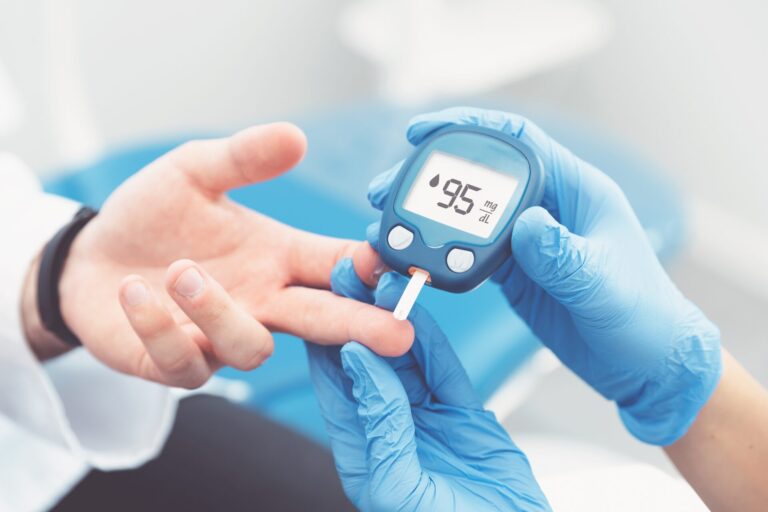
How to Check Blood Sugar Levels Accurately

Step-by-step (simple method):


  1. Wash and dry hands

  2. Use a clean lancet

  3. Test at consistent times

  4. Log results over several days


Tracking trends is more valuable than reacting to a single reading.

If levels feel higher than expected, see how to lower blood sugar fast for safe, immediate strategies.


What If Your Blood Sugar Is Above Normal?

Occasionally elevated numbers may be influenced by:


  • Recent meals

  • Poor sleep

  • Stress hormones

  • Lack of movement


Frequent elevations may come with symptoms like fatigue or cravings. Learn to recognize them in high blood sugar symptoms.


Supporting Healthy Blood Sugar Levels Long-Term

Normal ranges are easier to maintain when you focus on:


  • Balanced meals

  • Regular movement

  • Sleep quality

  • Stress regulation


Some people also explore nutritional support as part of a broader routine — not as a quick fix.

You can learn more about this approach in our guide to blood sugar balance supplements.


👉 Nota: los suplementos funcionan mejor cuando apoyan hábitos, no cuando intentan reemplazarlos.

When to Talk to a Professional

Seek medical advice if:


  • Fasting levels stay elevated

  • Post-meal spikes are frequent

  • Symptoms persist despite lifestyle changes


This guide is educational and not a diagnosis.

The Takeaway

Knowing normal blood sugar levels gives you context — not fear.


Numbers are tools, not judgments.


When you understand them, you can make calm, informed decisions that support long-term metabolic health.

For a complete framework that connects charts, habits, and prevention, return to blood sugar balance.