
The gut microbiota refers to the vast community of microorganisms that live inside your digestive tract. These microbes — including bacteria, fungi, viruses, and other microorganisms — form a complex ecosystem that plays a critical role in human health.
In fact, scientists estimate that the human gut contains trillions of microbes and thousands of different bacterial species, many of which influence digestion, immunity, metabolism, and even brain function.
A balanced gut microbiota helps the body break down food, absorb nutrients, produce vitamins, and regulate inflammation. However, when this delicate ecosystem becomes disrupted — a condition known as gut dysbiosis — it can contribute to digestive problems, metabolic disorders, and weakened immunity.
Understanding how the gut microbiota works is one of the most important steps toward improving overall gut health.
What Is the Gut Microbiota?
The gut microbiota is the collection of microorganisms that live primarily in the large intestine.
These microbes perform essential biological functions that the human body cannot accomplish on its own.
Key characteristics of the gut microbiota:
| Feature | Description |
|---|---|
| Number of microbes | ~100 trillion microorganisms |
| Dominant bacteria phyla | Firmicutes, Bacteroidetes |
| Location | Mostly in the large intestine |
| Functions | Digestion, immune support, metabolism |
| Diversity | Thousands of bacterial species |
A healthy microbiota is typically diverse and balanced, meaning beneficial bacteria outnumber harmful microbes.
Diet, lifestyle, medications, and environment all influence the composition of the gut microbiota.
Gut Microbiota vs Gut Microbiome
The terms gut microbiota and gut microbiome are often used interchangeably, but they are not exactly the same.
| Term | Meaning |
|---|---|
| Gut microbiota | The microorganisms themselves |
| Gut microbiome | The genetic material of those microbes |
In simple terms:
Microbiota = microbes
Microbiome = microbial genes
Both concepts are closely related because microbial genes determine how these bacteria interact with the human body.
Why Gut Bacteria Are Essential for Health
Beneficial gut bacteria perform several important functions that support overall health.
Major functions of the gut microbiota
Digest dietary fiber
Produce short-chain fatty acids
Support immune system regulation
Protect against harmful pathogens
Produce essential vitamins
Some gut bacteria produce short-chain fatty acids (SCFAs) such as:
butyrate
acetate
propionate
These molecules help maintain the integrity of the intestinal lining and reduce inflammation.
How the Gut Microbiota Affects Digestion
One of the most important roles of the gut microbiota is helping digest complex carbohydrates and fibers that the human body cannot break down alone.
Beneficial bacteria ferment dietary fibers and convert them into metabolites that support digestive health.
Digestive benefits of a healthy microbiota
improved nutrient absorption
enhanced fiber digestion
improved bowel regularity
reduced digestive discomfort
This is one reason why prebiotic fibers are so important — they provide fuel for beneficial bacteria.
(Internal link opportunity → Prebiotics for Gut Health)
Gut Microbiota and the Immune System
Approximately 70% of the immune system is located in the gut.
The gut microbiota interacts with immune cells to help regulate immune responses and maintain immune tolerance.
Key immune functions of gut bacteria
train immune cells
reduce harmful inflammation
protect against pathogens
strengthen intestinal barrier function
When the microbiota becomes imbalanced, the immune system may become dysregulated.
This imbalance has been associated with conditions such as:
allergies
inflammatory bowel disease
metabolic disorders
Signs Your Gut Microbiota May Be Out of Balance
An imbalance in gut bacteria — called dysbiosis — can produce a variety of symptoms.
Common signs of gut microbiota imbalance
frequent bloating
irregular bowel movements
persistent fatigue
food sensitivities
frequent infections
skin problems
sugar cravings
These symptoms may indicate that beneficial bacteria are lacking or harmful microbes are dominating the gut environment.
How Diet Shapes Gut Microbiota
Diet is one of the most powerful factors influencing the gut microbiota.
Different foods can promote the growth of different bacterial species.
Diet patterns that support microbiota diversity
| Food Type | Effect on Microbiota |
|---|---|
| Fiber-rich foods | Feed beneficial bacteria |
| Fermented foods | Introduce beneficial microbes |
| Polyphenol foods | Promote microbial diversity |
| Processed foods | Reduce microbial diversity |
| High sugar diets | Encourage harmful bacteria |
A diet rich in whole plant foods tends to promote a healthier and more diverse microbiota.
Best Foods to Support Gut Microbiota
Certain foods provide the nutrients that beneficial gut bacteria need to thrive.
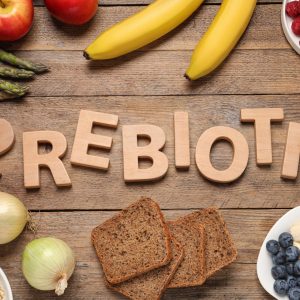
Top foods that nourish the gut microbiota
| Food | Key Compounds | Microbiota Benefit |
|---|---|---|
| Garlic | Inulin | Prebiotic fiber |
| Onions | Fructooligosaccharides | Feeds beneficial bacteria |
| Bananas | Resistant starch | Supports SCFA production |
| Oats | Beta-glucan | Supports microbiota diversity |
| Apples | Pectin | Promotes beneficial microbes |
| Chicory root | Inulin | Powerful prebiotic source |
| Asparagus | Fructans | Supports gut bacteria growth |
These foods provide prebiotic compounds that act as fuel for beneficial bacteria.
Prebiotics and the Gut Microbiota
Prebiotics are non-digestible fibers that selectively feed beneficial bacteria in the gut.
When gut microbes ferment these fibers, they produce short-chain fatty acids, which support intestinal health and metabolic function.
Research shows that prebiotics can help:
increase beneficial bacteria
improve microbial diversity
strengthen gut barrier function
support digestive health
For a deeper explanation, see our full guide on prebiotics for gut health.
Probiotics and the Gut Microbiota
While prebiotics feed existing bacteria, probiotics introduce beneficial microbes directly into the gut.
Probiotics are live microorganisms that can help restore microbial balance when consumed in adequate amounts.
Common probiotic strains include:
Lactobacillus species
Bifidobacterium species
Saccharomyces boulardii
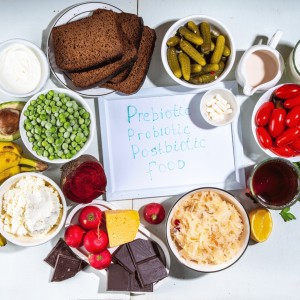
Probiotics are commonly found in fermented foods such as:
yogurt
kefir
kimchi
sauerkraut
Together, prebiotics and probiotics work synergistically to maintain a healthy microbiota.
How to Restore Gut Microbiota Naturally
If gut bacteria become imbalanced, several lifestyle strategies can help restore microbial balance.
Evidence-based ways to support gut microbiota
Increase dietary fiber intake
Eat a wide variety of plant foods
Include fermented foods
Reduce ultra-processed foods
Limit excessive sugar intake
Get adequate sleep
Manage chronic stress
Exercise regularly
Many researchers now recommend aiming for 30 different plant foods per week to support microbiota diversity.
Frequently Asked Questions
What is the gut microbiota?
The gut microbiota refers to the community of microorganisms living in the digestive tract, primarily in the large intestine.
Why is gut microbiota important?
Gut bacteria help digest food, regulate the immune system, produce vitamins, and maintain the intestinal barrier.
What causes gut microbiota imbalance?
Common causes include poor diet, antibiotics, chronic stress, infections, and lack of dietary fiber.
Can gut bacteria affect mental health?
Yes. The gut-brain axis connects gut microbes with brain function, influencing mood and cognitive health.
What foods improve gut microbiota?
Fiber-rich foods such as fruits, vegetables, whole grains, legumes, and prebiotic foods support beneficial gut bacteria.
Are probiotics necessary for gut health?
Probiotics can be helpful in some situations, but maintaining a fiber-rich diet that supports natural bacterial growth is often the most effective strategy.
Conclusion
The gut microbiota is one of the most important ecosystems in the human body. These trillions of microorganisms help regulate digestion, immunity, metabolism, and many other biological processes.
Maintaining a diverse and balanced microbiota largely depends on diet and lifestyle choices, particularly consuming fiber-rich foods that nourish beneficial bacteria.
By supporting the gut microbiota through prebiotic foods, probiotics, and healthy lifestyle habits, it is possible to strengthen digestive health and promote overall well-being.
Hurry up! Get 25% off now for a limited time offer.