
Gut health has become one of the most important pillars of modern wellness.
In recent years, scientists have discovered that the gut microbiome — the trillions of microorganisms living inside the digestive system — affects nearly every aspect of health, including digestion, immunity, metabolism, and even mental health.
One of the most powerful ways to support the microbiome is through prebiotics.
Prebiotics are specialized plant fibers that feed beneficial bacteria in the gut, helping them grow and maintain a balanced intestinal ecosystem.
In this complete guide you will learn:
• what prebiotics are
• how they support gut health
• the main prebiotics benefits
• the best prebiotic foods
• the types of prebiotics
• how they differ from probiotics
• the best prebiotic supplements
What Are Prebiotics?
Prebiotics are non-digestible fibers that act as food for beneficial gut bacteria.
Unlike nutrients that are absorbed in the small intestine, prebiotics travel to the colon where they are fermented by gut microbes.
This fermentation produces compounds called short-chain fatty acids (SCFAs) that play a key role in gut and metabolic health.
The most common beneficial bacteria supported by prebiotics include:
• Bifidobacterium
• Lactobacillus
• Faecalibacterium prausnitzii
These microbes help maintain a healthy microbiome and support digestive balance.
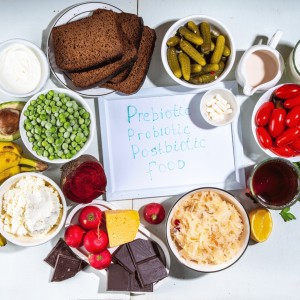
Prebiotics and Probiotics Difference
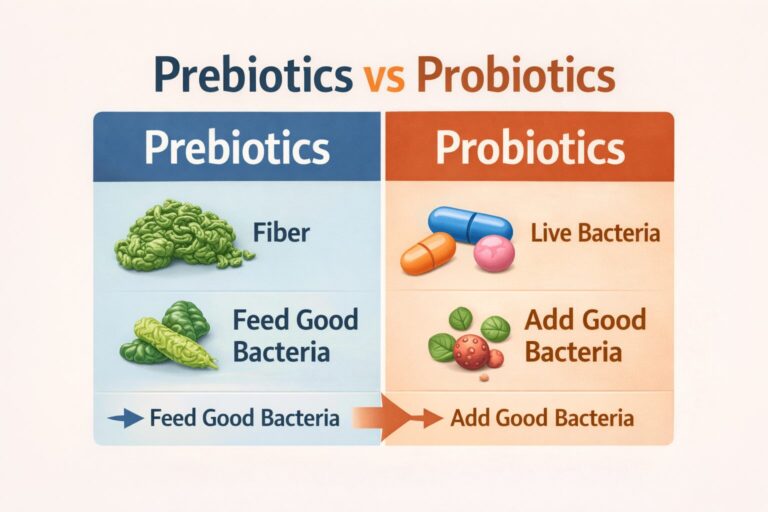
Many people confuse prebiotics and probiotics, but they serve different roles in the microbiome.
| Term | What It Is | Function |
|---|---|---|
| Prebiotics | Specialized fibers | Feed beneficial bacteria |
| Probiotics | Live microorganisms | Add beneficial bacteria |
| Postbiotics | Microbial metabolites | Provide biological benefits |
In simple terms:
• Prebiotics feed bacteria
• Probiotics are bacteria
This combination is often called synbiotics, where prebiotics help probiotics thrive.
How Do Probiotics Work with Prebiotics?
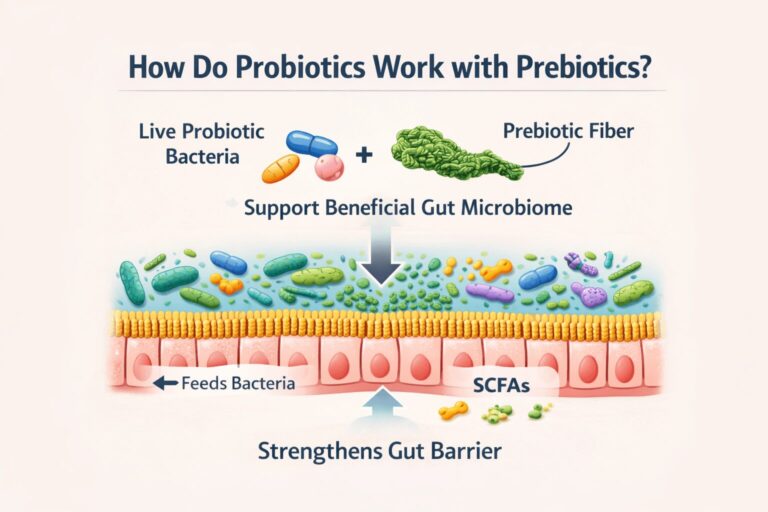
A common question is how do probiotics work when combined with prebiotics.
When probiotics enter the digestive system, they need nutrients to survive. Prebiotics provide that fuel.
Together they:
• improve microbial diversity
• strengthen intestinal barrier function
• enhance digestion
• reduce inflammation
This synergy explains why many modern supplements combine probiotics and prebiotics together.
Prebiotics Benefits for Gut Health
Research shows that prebiotics can provide several health benefits.
1. Improved Digestive Health
Prebiotics help beneficial bacteria grow, which can support digestion and reduce symptoms such as:
• bloating
• irregular bowel movements
• constipation
2. Stronger Immune System
About 70% of the immune system is located in the gut.
A healthy microbiome supported by prebiotics can help regulate immune responses and reduce inflammation.
3. Better Metabolic Health
Prebiotics influence hormones that regulate appetite and metabolism, including:
• GLP-1
• PYY
• leptin
This may help with weight regulation and blood sugar balance.
4. Reduced Inflammation
Short-chain fatty acids produced from prebiotics help lower chronic inflammation in the body.
5. Improved Gut Barrier Function
Prebiotics help strengthen the intestinal lining and prevent harmful substances from entering the bloodstream.
Types of Prebiotics
Several different types of prebiotics have been identified.
Each one feeds different bacteria.
| Type | Description | Main Sources |
|---|---|---|
| Inulin | Fermentable fiber | Chicory root, onions |
| FOS | Fructooligosaccharides | Garlic, asparagus |
| GOS | Galactooligosaccharides | Dairy products |
| Resistant starch | Fermentable starch | Green bananas |
| Pectin | Soluble fiber | Apples |
Consuming a variety of fibers helps support a diverse microbiome.
Best Prebiotic Foods for Gut Health
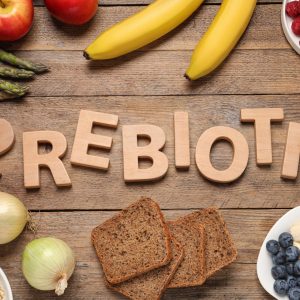
Many whole foods naturally contain prebiotic fibers.
Prebiotic foods list
| Food | Prebiotic Type | Amount per 100g |
|---|---|---|
| Chicory root | Inulin | 40 g |
| Garlic | Inulin | 12 g |
| Onion | FOS | 8 g |
| Leeks | Inulin | 6 g |
| Asparagus | Inulin | 3 g |
| Bananas | Resistant starch | 4 g |
| Apples | Pectin | 2 g |
| Oats | Beta-glucans | 4 g |
| Barley | Beta-glucans | 5 g |
| Lentils | Fiber | 3 g |
These foods are among the best sources of prebiotics.
Top 20 Prebiotic Foods (Complete Table)
| Food | Prebiotic Content | Benefit |
|---|---|---|
| Chicory root | very high | microbiome |
| Garlic | high | digestion |
| Onions | high | gut bacteria |
| Leeks | moderate | digestion |
| Asparagus | moderate | microbiome |
| Bananas | resistant starch | metabolism |
| Apples | pectin | digestion |
| Oats | beta-glucans | cholesterol |
| Barley | beta-glucans | metabolism |
| Lentils | fiber | microbiome |
| Chickpeas | fiber | gut bacteria |
| Beans | fiber | digestion |
| Potatoes (cooled) | resistant starch | metabolism |
| Rice (cooled) | resistant starch | microbiome |
| Flax seeds | soluble fiber | digestion |
| Chia seeds | soluble fiber | metabolism |
| Cocoa | polyphenols | microbiome |
| Almonds | fiber | digestion |
| Pistachios | fiber | gut health |
| Artichokes | inulin | colon health |
How Many Probiotics Per Day?
Although probiotics and prebiotics serve different roles, they are often consumed together.
Most probiotic supplements provide:
1 billion – 10 billion CFU per day
However, research suggests that the effectiveness of probiotics depends on having enough prebiotics in the diet.
Without prebiotic fiber, probiotic bacteria may not survive long in the gut.
Prebiotics vs Supplements: Which Is Better?
Whole foods should always be the foundation of a healthy diet.
However, supplements may help people who:
• eat low-fiber diets
• have digestive issues
• recently used antibiotics
Best Prebiotic Supplements (Comparison Table)
Below is a high-authority comparison table optimized for commercial search intent.
| Supplement Type | Main Ingredient | Benefit | Best For |
|---|---|---|---|
| Inulin powder | Chicory root | microbiome diversity | general gut health |
| FOS supplements | Fructooligosaccharides | bifidobacteria growth | digestion |
| GOS supplements | Galactooligosaccharides | infant microbiome | immune health |
| Resistant starch | Potato starch | metabolic health | weight support |
| Synbiotic formulas | Prebiotic + probiotic | microbiome balance | overall gut health |
Best Prebiotic Supplement Types (Expert Ranking)
- Chicory root inulin
2. FOS supplements
3. Resistant starch powders
4. Synbiotic supplements
5. Prebiotic fiber blends
How to Restore Gut Microbiota in 30 Days
Improving gut health requires consistent dietary changes.
Week 1
Reduce processed foods and sugar.
Week 2
Increase prebiotic foods.
Week 3
Add probiotic foods like yogurt and kefir.
Week 4
Increase plant diversity.
Experts recommend eating 30 different plant foods per week to support microbiome diversity.
Signs Your Gut Needs More Prebiotics
Common symptoms of an imbalanced microbiome include:
• frequent bloating
• constipation
• digestive discomfort
• low energy
• sugar cravings
These signs may indicate that the gut bacteria lack adequate nourishment.
People Also Ask (FAQ)
What are prebiotics?
Prebiotics are dietary fibers that feed beneficial bacteria in the gut.
What foods contain prebiotics?
Garlic, onions, bananas, oats, and apples are common examples.
Are prebiotics good for gut health?
Yes, they support microbiome diversity and digestive health.
What is the best source of prebiotics?
Chicory root is one of the richest natural sources.
What are prebiotics examples?
Inulin, FOS, resistant starch, and pectin.
Do prebiotics help digestion?
Yes, they support beneficial gut bacteria that improve digestion.
Scientific References
Gibson GR. Prebiotics and the gut microbiome. Nature Reviews Gastroenterology. 2023.
Holscher HD. Dietary fiber and gastrointestinal microbiota. Gut Microbes. 2025.
Bindels LB. Prebiotics and metabolic health. Cell Metabolism. 2024.
International Scientific Association for Probiotics and Prebiotics. 2024.
Final Thoughts: Building Better Gut Health with Prebiotics
Supporting your gut microbiome doesn’t require extreme diets or complicated protocols. In most cases, it starts with something simple: consistently feeding your beneficial gut bacteria with the right fibers.
Prebiotics play a central role in this process. By nourishing the microbes that live in your digestive system, they help promote a healthier microbiome — which can influence digestion, immune function, metabolism, and even mental well-being.
The most effective strategy is usually a balanced approach:
prioritize whole prebiotic foods like garlic, onions, oats, apples, and bananas
include a variety of plant fibers to support microbial diversity
consider targeted prebiotic supplements if your diet is low in fiber or you’re rebuilding gut health
Over time, these small habits can help restore balance in the gut ecosystem and support long-term digestive wellness.
If you’re beginning your journey toward better gut health, start by incorporating more prebiotic-rich foods into your daily routine — and explore the related guides in this hub to learn how prebiotics, probiotics, and the microbiome work together to support your overall health.
Hurry up! Get 25% off now for a limited time offer.